



Hi, I'm Jen! I'm a personal finance expert and money coach aiming to help you take control of your money. I went from being broke to a six-figure net worth and am now on track to be financially independent at age 40. Discover Jen's story
This post lists the best investment apps in the UK. With so much choice, finding the right broker is challenging. If you aren’t careful, you’ll pay too high fees for a poor platform.
I’ve been investing since 2019 and tried several apps in the process. Now, I’ve tested, scored, and ranked the best investment apps.
🪧 Should you sign up through my affiliate links, I may receive a commission at no cost to you.
💡 Best Overall: Trading 212
Trading 212 is versatile and cheap. The app offers access to many asset types and charges zero commission. It’s beginner friendly with a low minimum investment amount, video guides, and a demo account. You can also get a fee share when signing up.
When you invest, your capital is at risk, and you may lose money. Before investing, ensure you understand the rules and risks.
Best Investment Apps for Long-term Investing
1. InvestEngine
- 🎂 Founded: 2019
- 🧑🤝🧑 Platform type: investment app
- 📈 Assets: ETFs
- 💳 Minimum deposit: £100
- 💷 Key fees: >0.05% ETF fee
InvestEngine is an online investment platform specialising in exchange-traded funds (ETFs). You cannot buy single shares or other asset types through InvestEngine. Yet, if you want to invest in ETFs, InvestEngine might be your platform.
InvestEngine offers over 550 ETFs coupled with low fees. If you build your own portfolio, you only pay the fund management fee and market spread. As a beginner investor, you can also purchase a managed portfolio. The fee for this is 0.25%.
Read more in my InvestEngine review.
You can get a £10-£50 free bonus if you sign up via my link and invest at least £100:
| ✅ Pros | ❌ Cons |
|---|---|
| ✔ Low fees ✔ DIY investing and managed portfolios ✔ No charge for ISA account ✔ User-friendly website | ✗ Limited to ETFs ✗ Relatively new site ✗ No SIPP |
What Is Trustpilot?
Overall, there are over 150 million reviews on Trustpilot. You can generally get a good understanding of the legitimacy and customer-friendliness of a company.
2. Vanguard Investor

- 🎂 Founded: 1975
- 🧑🤝🧑 Platform type: investment app
- 📈 Assets: Vanguard funds
- 💳 Minimum deposit: £500 or £100 direct debit
- 💷 Key fees: ~0.2% fund fees + 0.15% account fees
Vanguard is a well-established investment platform founded in 1975. Vanguard caters to long-term investors who want to buy Vanguard funds. You can’t buy anything else on the platform. Vanguard offers 83 funds, including:
- Blended funds
- Equity funds
- Fixed-income funds
Vanguard charges a 0.15% account fee plus the fund management fee and a one-off ETF fee of 0.02%-0.15%. Read more in my Vanguard review.
| ✅ Pros | ❌ Cons |
|---|---|
| ✔ Low fees ✔ Can customise portfolios ✔ Good track record | ✗ High minimum investment ✗ Limited to Vanguard funds ✗ No portfolio recommendations ✗ Poor customer support |
3. Hargreaves Lansdown

- 🎂 Founded: 1981
- 🧑🤝🧑 Platform type: investment app
- 📈 Assets: Stocks, funds, ETFs, other
- 💳 Minimum deposit: £100 (or £25 direct debit)
- 💷 Key fees: depend on asset type and amount invested
Hargreaves Lansdown (HL) is another major player in the investing scene. They may not be the winner when comparing fees, but HL has other strong points.
The platform has an excellent selection of ready-made portfolios and offers over 4,000 shares, bonds, and ETFs. They also have great customer support and discounts for those with larger portfolios.
Read more in my Hargreaves Lansdown review.
| ✅ Pros | ❌ Cons |
|---|---|
| ✔ Many investment choices ✔ Well-established platform ✔ LISA and SIPP available ✔ DIY investing and managed portfolios | ✗ Complex fee structure ✗ Comparatively high fees |
4. interactive investor

- 🎂 Founded: 1995
- 🧑🤝🧑 Platform type: investment app
- 📈 Assets: Stocks, funds, ETFs, other
- 💳 Minimum deposit: £25 for regular investment service
- 💷 Key fees: depend on plan
interactive investor is an award-winning online investment platform with over 400,000 customers. The platform charges flat fees of £9.99 or £19.99, which is great if you have a large portfolio.
On interactive investor, you can buy shares, trusts, ETFs, bonds, guilts and currencies. You can use model portfolios to help you start or create your own. Read more in my interactive investor review.
| ✅ Pros | ❌ Cons |
|---|---|
| ✔ Simple fee structure ✔ Cheap ✔ Wide choice of investment options | ✗ No managed portfolios ✗ No LISA |
Comparison
| InvestEngine | Vanguard | Hargreaves Lansdown | interactive investor | |
|---|---|---|---|---|
| FCA regulated | Yes | Yes | Yes | Yes |
| FSCS protection | Yes | Yes | Yes | Yes |
| Investment products | ETFs | Vanguard funds | Funds, bonds, and stocks | Stocks, funds, trusts |
| Fees | >0.05% ETF fee 0.25% for managed portfolios | 0.15% account fee 0.2% fund fee | 0.10%-0.45% for funds 0.45% for stocks 1.33%-1.44% for managed portfolios | £4.99-£19.99 account fee £3.99-£5.99 trading fee |
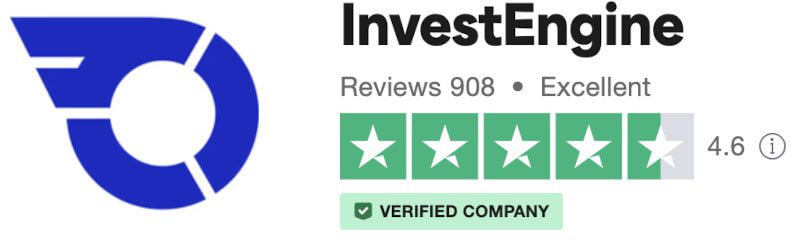
| Trustpilot score | 4.6/5.0 | 4.0/5.0 | 4.1/5.0 | 4.7/5.0 |
Best UK Investment Apps for Beginners
1. Freetrade

- 🎂 Founded: 2015
- 🧑🤝🧑 Platform type: trading app, general investing
- 📈 Assets: Stocks, ETFs
- 💳 Minimum deposit: £2
- 💷 Key fees: depend on plan
Freetrade aims to make investing accessible to beginners. The app features a simple and easy-to-understand design. You can buy individual stocks and a selection of funds. On the free plan, over 1,500 stocks and funds are available to buy and sell commission free.
Read more in my Freetrade review.
When you open an account and deposit £50, you’ll get a free share worth up to £100.
| ✅ Pros | ❌ Cons |
|---|---|
| ✔ Comission free ✔ Free to use on the free plan ✔ Easy to set up | ✗ Some users report not getting their free share ✗ Platform not as good as it used to be (I left) |
2. Wealthify

- 🎂 Founded: 2014
- 🧑🤝🧑 Platform type: robo-advisor
- 📈 Assets: ETFs, funds
- 💳 Minimum deposit: £1 (£50 for SIPP)
- 💷 Key fees: 0.6-0.7% account fee + ~0.16-0.7% fund fee
Wealthify is a robo-advisor investment platform. Wealthify creates a portfolio for you according to your risk preferences. Using a robo-advisor is cheaper than consulting a financial advisor.
Using a robo-advisor helps beginners who struggle with building their portfolios. Wealthify also has a minimum investment amount of £1. The low entry barrier lets you test investing without fully committing.
Wealthify charges a fee of 0.6% regardless of how much you invest. Read more in my Wealthify review.
| ✅ Pros | ❌ Cons |
|---|---|
| ✔ Simple fee structure ✔ Managed portfolios ✔ ISA and SIPP available ✔ Good mobile app | ✗ Limited assets ✗ Limited options for depositing |
3. Moneyfarm
- 🎂 Founded: 2012
- 🧑🤝🧑 Platform type: robo-advisor
- 📈 Assets: ETFs, bonds, other
- 💳 Minimum deposit: £500
- 💷 Key fees: Below £100k: 0.30-0.75%; Above £100k: 0.25-0.45% + 0.2% fund fee
Moneyfarm specialises in Individual Saving Accounts (ISAs) and pensions for beginners. The platform suggests, monitors, and manages your portfolio. After investing, you don’t need to do anything else. The minimum investment is £500. This makes Moneyfarm suitable if you are already sure you want to invest.
The initial management fee is high, at 0.75%. Moneyfarm becomes more affordable at higher investment amounts. If you invest £500,000 or more, the fee across the portfolio is only 0.35%.
Read more in my Moneyfarm review.
| ✅ Pros | ❌ Cons |
|---|---|
| ✔ Free consultation call ✔ Managed portfolios ✔ ISA and SIPP available ✔ Competitive fees | ✗ High minimum investment amount ✗ Expensive for small portfolios |
4. Wealthyhood
- 🎂 Founded: 2020
- 🧑🤝🧑 Platform type: robo-advisor
- 📈 Assets: ETFs
- 💳 Minimum deposit: £20
- 💷 Key fees: £1-£7 monthly
Wealthyhood is a robo-advisor platform. Wealthyhood generates a portfolio based on your preferences. You do not need to have investment knowledge. (Although I recommend you inform yourself.)
As a relatively new platform, Wealthyhood is not well known. Yet its competitive fees and beginner-friendly user interface make it worth considering. Read more in my Wealthyhood review.
New investors can get a free share worth up to £200 when joining Wealthyhood.
| ✅ Pros | ❌ Cons |
|---|---|
| ✔ Free consultation call ✔ Managed portfolios ✔ ISA and SIPP available ✔ Competitive fees | ✗ High minimum investment amount ✗ Expensive for small portfolios |
Comparison
| Freetrade | Wealthify | Moneyfarm | Wealthyhood | |
|---|---|---|---|---|
| FCA regulated | Yes | Yes | Yes | Yes |
| FSCS protection | Yes | Yes | Yes | Yes |
| Investment products | Stocks, ETFs, funds | Wealthify portfolios | Moneyfarm portfolios | ETFs |
| Fees | £0-£9.99/month | 0.6%-0.7% fund fee | 0.25%-0.75% fund fee | £1-£7/month |
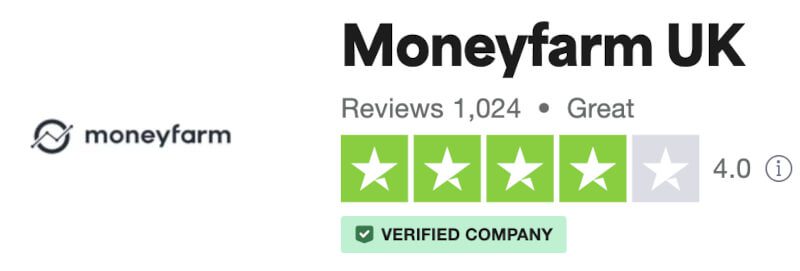
| Trustpilot score | 4.0/5.0 | 4.1/5.0 | 4.4/5.0 | – |
Best Apps for Trading
1. Trading 212

- 🎂 Founded: 2004
- 🧑🤝🧑 Platform type: Trading app, general investing
- 📈 Assets: Stocks, Funds, CFD, other
- 💳 Minimum deposit: £1
- 💷 Key fees: 0.5% forex fee, 0.7% card deposit fee (after £2000)
Trading 212 is the most versatile platform. It’s commission free and doesn’t charge an account fee. This means you can easily buy funds and hold them long term. However, the platform is designed for trading.
You can trade stocks, funds, and contracts for difference (CFD). You can use the practice account if you are not ready to invest real money. If you stay within your currency, you only pay a fee of 0.7% for card deposits after depositing more than £2000.
Read more in my Trading 212 review.
New users can get a free share worth up to £100. All you need to do is open an account and make a deposit.
| ✅ Pros | ❌ Cons |
|---|---|
| ✔ Commission free ✔ Lots of features for research ✔ Demo account ✔ Many assets available ✔ Free share when signing up | ✗ Waitlist for signing up in some countries |
2. eToro

- 🎂 Founded: 2007
- 🧑🤝🧑 Platform type: Trading app
- 📈 Assets: Stocks, ETFs, CFDs, other
- 💳 Minimum deposit: $10
- 💷 Key fees: 0.5% deposit fee, $5 withdrawal fee
eToro is an investment site that lets users trade stocks, cryptocurrencies, and CFDs. However, eToro really stands out as a social investing platform.
You can chat with other users, get investment tips, and copy other people’s portfolios. You can also set up a practice account to trade without using real money.
You can trade for free on eToro. However, there is a fee for withdrawing ($5) and an inactivity fee. The account can become costly if you withdraw a lot or hold assets long term.
Read more in my eToro review.
| ✅ Pros | ❌ Cons |
|---|---|
| ✔ Many investment options ✔ Social trading feature ✔ Demo account ✔ Research tools | ✗ High currency conversion fee ✗ No SIPP |
3. Stake App
- 🎂 Founded: 2017
- 🧑🤝🧑 Platform type: trading app
- 📈 Assets: stocks
- 💳 Minimum deposit: £50
- 💷 Key fees: $3 or 0.01% for trades above $30,000
Stake is a great app if you want to trade US stocks. Stake was founded in Australia in 2017 by Matt Leibowitz. Its goal is to “provide a seamless and immersive experience that breaks barriers for ambitious investors”.
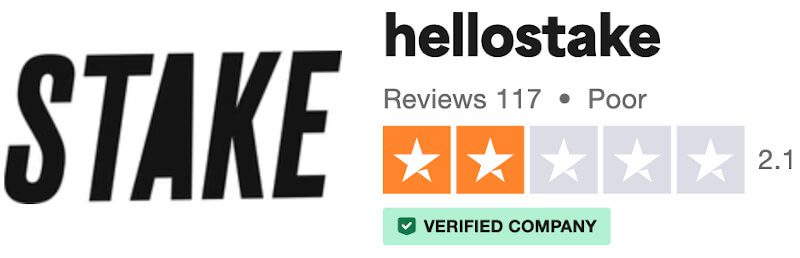
Some users on Trustpilot appear to have difficulties with buying and selling stocks. Personally, I have never encountered issues with the Stake App. Yet, it doesn’t hurt to be cautious when using the app.
Read more in my Stake app review.
| ✅ Pros | ❌ Cons |
|---|---|
| ✔ Huge range of US stocks ✔ Good mobile app | ✗ No longer commission free ✗ Poor Trustpilot score |
Comparison
| Trading 212 | eToro | Stake | |
|---|---|---|---|
| FCA regulated | Yes | Yes | Yes |
| FSCS protection | Yes | No | Yes |
| Investment products | Stocks, ETFs, indices, commodities, CFD, and currencies | Stocks, ETFs, indices, commodities, CFD, currencies, and cryptocurrencies | Stocks |
| Fees | 0.5% forex fee 0.15% foreign currency trades | 0.5% deposit fee for non-US deposits $5 per withdrawal | $3 or 0.01% for trades above $30,000 |
| Trustpilot score | 4.6/5.0 | 4.4/5.0 | 2.1/5.0 |
Best Auto-investment Apps
1. Moneybox

- 🎂 Founded: 2016
- 🧑🤝🧑 Platform type: Automated saving
- 📈 Assets: Funds, stocks, premade portfolios
- 💳 Minimum deposit: £1
- 💷 Key fees: £1 monthly + 0.58% fund fee + 0.45% account fee
Moneybox is an automated savings and investment platform. Moneybox rounds up your purchases and saves or invests the difference. You can set its parameters according to your preferences.
Moneybox is not primarily aimed at investors. Thus, the fund choices are limited. You can only choose from three managed portfolios and their ethical equivalents.
Moneybox is more expensive than the brokers listed above. This is because it is an auto-savings platform and manages all its funds.
Read more in my Moneybox review.
| ✅ Pros | ❌ Cons |
|---|---|
| ✔ Automated saving ✔ Easy to invest small change | ✗ High fees ✗ Limited investment options ✗ Limited features for investors |
2. Nutmeg

- 🎂 Founded: 2011
- 🧑🤝🧑 Platform type: robo advisor
- 📈 Assets: ETFs
- 💳 Minimum deposit: £500 (£100 for LISAs)
- 💷 Key fees: 0.45%-0.75% account fees + 0.21%-0.36% fund fees
Nutmeg is a robo-advisor platform. Nutmeg recommends an investment portfolio based on your preferences. You can use Nutmeg without knowing how to build a portfolio. You only need to choose a risk level.
To auto-invest with Nutmeg, you must set up a direct debit from your bank account. The minimum amount is £500. Read more in my Nutmeg review.
| ✅ Pros | ❌ Cons |
|---|---|
| ✔ Portfolio recommendations ✔ Hassle-free investing ✔ Great customer support ✔ Lifetime ISA available | ✗ High minimum investment ✗ High fees ✗ Cannot customise portfolios |
3. Plum

- 🎂 Founded: 2017
- 🧑🤝🧑 Platform type: Automated saving
- 📈 Assets: Stocks, funds
- 💳 Minimum deposit: £1
- 💷 Key fees: depend on plan
Plum is another automated savings and investing platform. Plum rounds up your purchases and invests your spare change. You can set limits for this or stop investing any time.
Investing your change is just one of Plum’s features. The app has a lot of features to help you save more money, for example, gamification. You can also get a Plum Visa card. This is useful if you want to stay within your spending levels.
On the app, you can choose from over 1500 stocks and funds. Read more in my Plum review.
| ✅ Pros | ❌ Cons |
|---|---|
| ✔ Easy to invest small change ✔ Free on the free plan ✔ Fast withdrawals ✔ Simple fee structure | ✗ Limited fund options ✗ Expensive for small portfolios |
4. Chip

- 🎂 Founded: 2017
- 🧑🤝🧑 Platform type: Automated saving
- 📈 Assets: Funds
- 💳 Minimum deposit: £1
- 💷 Key fees: £4.99 monthly or 0.5% yearly
Chip is another solid choice for an automated investing app. Chip calculates how much you can save and invest based on your spending habits. It then transfers that money to your savings or investment accounts.
Investors have a choice of nine funds. Chip also has a few alternative investments. For example, you can invest in a Ferrari if you want to. Read more in my Chip review.
| ✅ Pros | ❌ Cons |
|---|---|
| ✔ Easy to invest small change ✔ Easy to use | ✗ Limited fund options ✗ High fees |
Comparison
| Moneybox | Nutmeg | Plum | Chip | |
|---|---|---|---|---|
| FCA regulated | Yes | Yes | Yes | Yes |
| FSCS protection | Yes | Yes | Yes | Yes |
| Investment products | Moneybox portfolios | Nutmeg portfolios | Stocks and funds | Chip funds |
| Fees | £1/month 0.45% account fee 0.58% fund fee | 0.45%-0.75% account fee 0.22%-0.28% fund fee | £0-£9.99 account fee 0.48% fund fee | £0-£9.99 account fee 0.2% fund fee |
| Trustpilot score | 4.6/5.0 | 3.6/5.0 | 4.2/5.0 | 3.6/5.0 |
Best Investment Apps for UK Investors Summary
Many online brokers exist. The choice lets investors select a platform that suits their preferences. All investment platforms listed above are good choices. They’re legit, reputable brokers with competitive fees.
The best investment apps include:
- InvestEngine
- Vanguard
- Hargreaves Lansdown
- interactive investor
- Freetrade
- Wealthify
- Moneyfarm
- Wealthyhood
- Trading 212
- eToro
- Stake App
- Moneybox
- Nutmeg
- Plum
- Chip
If you like this post, please help My Money Yard grow by sharing it with your friends.